
Introduction
The dream of a smart home is evolving. Today, it’s not just about voice-controlled lights or remote door locks. The new imperative is building a sustainable smart home—a living space that seamlessly blends cutting-edge technology with environmental responsibility. This approach directly addresses two major concerns for modern homeowners: rising energy costs and the urgent need for climate action. By making intentional choices, you can create a home that conserves precious resources, significantly slashes utility bills, and automates an eco-conscious lifestyle. Let’s explore the essential devices and strategies that make your home intelligent, efficient, and kinder to the planet.
Understanding the Sustainable Smart Home Ecosystem
A sustainable smart home goes beyond individual gadgets. It represents an interconnected ecosystem where devices communicate to optimize energy and water use without sacrificing comfort. The core principle is efficiency through automation and data. For example, a smart thermostat doesn’t just let you adjust temperature from your phone; it learns your schedule and the thermal profile of your house to minimize HVAC runtime. This integrated system thinking is what transforms a collection of devices into a truly intelligent and green home.
Essential Devices for Energy Conservation
The heart of a sustainable smart home lies in its ability to manage energy consumption intelligently. Start with these foundational devices:
Smart Thermostats: The Brain of Home Efficiency
A smart thermostat is arguably the most impactful first purchase. These devices learn your patterns and adjust heating and cooling automatically. They can detect when you’re away, use geofencing to prepare for your arrival, and provide detailed energy reports. By maintaining temperatures more efficiently, they can save an average of 10-15% on annual heating and cooling bills, paying for themselves in a short time.
Smart Lighting and Plugs: Eliminating Phantom Loads
Smart LED bulbs and plugs tackle “vampire power”—the energy devices consume when off but still plugged in. Schedule lights to turn off automatically in empty rooms or at sunrise. Use smart plugs to cut power to entertainment centers and chargers overnight. Coupled with motion and ambient light sensors, these systems ensure electricity is used only when and where it’s needed.
Advanced Energy Monitors: Knowledge is Power
Whole-home energy monitors provide real-time, circuit-by-circuit data on your electricity consumption. By identifying which appliances are energy hogs, you can make informed decisions, like replacing an old refrigerator or shifting laundry cycles to off-peak hours. This visibility is crucial for mastering your home’s energy profile.
Water Preservation Technologies
Water conservation is a critical pillar of sustainability. Smart technology offers precise control here.
Smart Irrigation Controllers
These systems use local weather data and soil moisture sensors to water your garden only when necessary. They override scheduled watering if rain is forecast, preventing waste and promoting healthier plants. This can reduce outdoor water use by up to 50% compared to traditional timers.
Leak Detectors and Smart Showerheads
Small leaks can waste thousands of gallons annually. Smart water sensors placed under sinks, near water heaters, and toilets send instant alerts to your phone at the first sign of moisture. Pair these with a smart water shutoff valve for ultimate protection. Smart showerheads provide real-time feedback on water volume and temperature, encouraging shorter, more efficient showers.
Building with Sustainable and Efficient Materials
Technology isn’t just digital. The physical infrastructure of your home plays a key role.

Smart Windows and Blinds
Electrochromic smart windows can tint on command to control heat gain and glare, reducing HVAC load. Automated blinds or shades can be scheduled to open on winter days for passive solar heating and close on summer afternoons to keep interiors cool.
Solar Integration and Smart Batteries
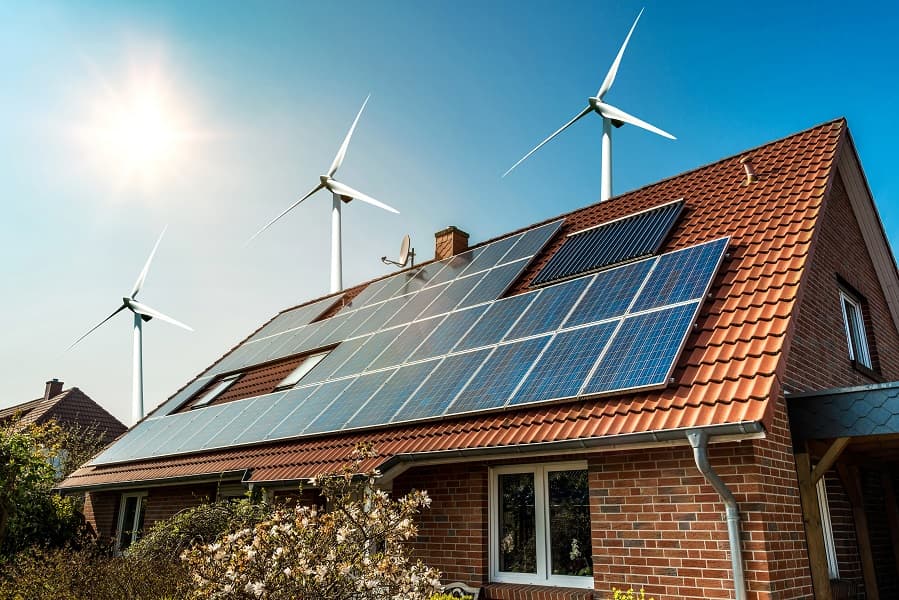
For the ultimate step, integrate a solar panel system with a smart home energy manager. This allows you to prioritize using your solar generation during peak sunlight, store excess in a smart battery for use at night, and even sell surplus back to the grid. This creates a resilient, low-carbon energy loop for your home.
FAQs: Building Your Sustainable Smart Home
Q: Is building a sustainable smart home expensive?
A: While there is an upfront cost, focus on high-return devices first, like smart thermostats and LED lighting. Many utility companies offer rebates. The savings on energy and water bills provide a ongoing return on investment, making it cost-effective over time.
Q: Will these devices work together, or am I locked into one brand?
A: Prioritize devices that work with open, universal standards like Matter, Zigbee, or Z-Wave. These ensure interoperability between different brands. Using a central hub or platform like Apple Home, Google Home, or Amazon Alexa can unify control.
Q: Can I make my existing home sustainable, or is this only for new builds?
A: Absolutely. Most sustainable smart home devices are retrofit-friendly. You can install smart thermostats, plugs, lights, and sensors without any major renovation. Start small and expand your system gradually.
Q: How much can I realistically save on my bills?
A: Savings vary, but a well-integrated system can reduce energy consumption by 20-30% and water use by 15-20%. Smart thermostats and lighting alone can save hundreds annually.
Conclusion
Building a sustainable smart home is a powerful, practical journey toward financial savings and planetary stewardship. It begins with understanding your consumption, investing in core devices like smart thermostats and energy monitors, and expanding into water conservation and renewable energy integration. This intelligent ecosystem automates efficiency, putting your home on autopilot to save money and reduce its environmental footprint. Start today by auditing your biggest energy uses and choosing one or two devices to begin your transformation. The future of living is not just smart—it’s sustainably intelligent.
Call-to-Action
Ready to take the first step? Share which sustainable smart home device you’re considering first in the comments below! For detailed guides on installing a smart thermostat or choosing the best energy monitor, explore our full library of green tech articles.