Introduction
The global shift toward renewable energy is no longer just a climate goal—it’s an economic and technological revolution. While solar panels and wind turbines are the visible icons of this change, the real engine powering the renewable energy boom is advanced technology. From artificial intelligence optimizing wind farms to blockchain enabling peer-to-peer energy trading, a suite of digital innovations is solving historical challenges of reliability, storage, and grid integration. This article explores the critical technologies driving this transformation, making clean energy more efficient, affordable, and accessible than ever before.
The Digital Backbone of Modern Renewables
The renewable sector has evolved from relying on simple mechanical systems to becoming a data-intensive industry. This digital backbone is essential for managing intermittent sources like sun and wind. Smart sensors and Internet of Things (IoT) devices collect vast amounts of real-time data from every component, from individual solar inverters to the blades of offshore wind turbines. This data flow allows for predictive maintenance, preventing costly failures and downtime. Furthermore, advanced monitoring ensures each asset performs at its peak, squeezing maximum efficiency from every installation and improving the overall return on investment for renewable projects.
Artificial Intelligence and Machine Learning Optimizations
AI is perhaps the most powerful catalyst in the renewable energy boom. Machine learning algorithms analyze weather patterns, historical production data, and real-time grid demand to forecast energy generation with remarkable accuracy. This allows grid operators to integrate variable renewables reliably. AI also optimizes energy storage systems, determining the ideal times to store or dispatch electricity. In wind energy, AI models adjust turbine angles in real-time to capture the optimal wind force, boosting output. These intelligent optimizations are crucial for moving beyond baseload power dependency and building a resilient, renewable-led grid.
Advanced Energy Storage and Battery Tech Breakthroughs
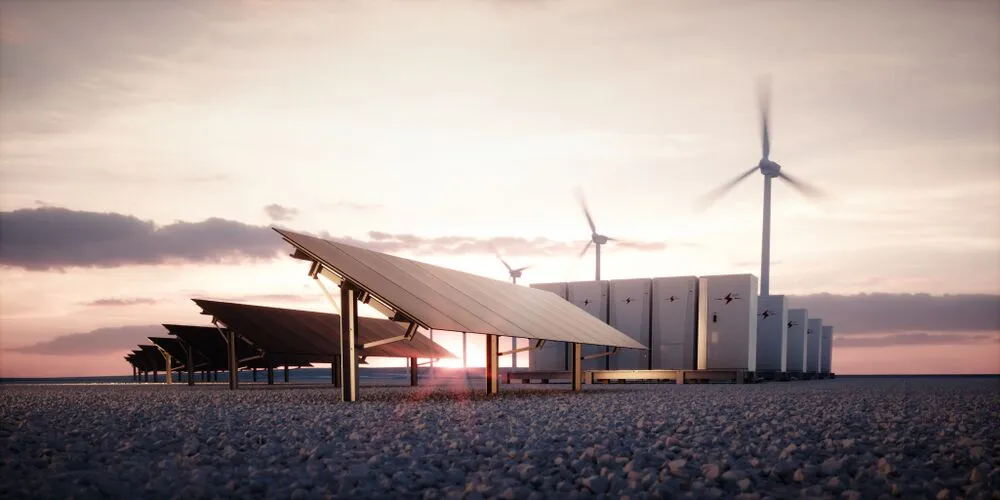
Technology’s role in solving renewable energy’s intermittency is most evident in storage. Beyond lithium-ion, innovations like solid-state batteries, flow batteries, and gravity-based storage are emerging. Smart battery management systems, powered by sophisticated software, extend battery lifespan and performance. These systems intelligently manage charge cycles, preventing degradation. Additionally, vehicle-to-grid (V2G) technology turns electric car fleets into a distributed network of mobile storage units, stabilizing the grid during peak demand. These advancements are turning storage from a cost center into a valuable grid asset.
Smart Grids and IoT: Creating an Adaptive Energy Network
The traditional one-way grid cannot handle decentralized renewable generation. Enter the smart grid—a digital, two-way energy network. Enabled by IoT connectivity and smart meters, these grids dynamically balance supply and demand. They can automatically reroute power during outages, integrate distributed energy resources like rooftop solar, and provide consumers with usage data to reduce consumption. This adaptability is fundamental for a high-renewable future, allowing homes and businesses to become proactive “prosumers” who both consume and sell energy back to the network.

Blockchain for Transparency and Peer-to-Peer Energy Trading
Blockchain technology introduces unprecedented transparency and efficiency to energy markets. It creates secure, tamper-proof records for renewable energy certificates, ensuring that claims of green energy use are verifiable. More innovatively, it enables peer-to-peer (P2P) energy trading platforms. In a P2P microgrid, a homeowner with excess solar power can sell it directly to a neighbor via a blockchain-based smart contract, bypassing traditional utilities. This democratizes energy distribution, encourages local renewable adoption, and creates a more resilient community-based energy model.
FAQs: How Tech is Powering the Renewable Energy Boom
Q: What is the most important technology for renewable energy growth?
A: While interconnected, advanced energy storage is arguably the most critical, as it directly solves the challenge of intermittency, making solar and wind reliable 24/7 power sources.
Q: How does AI help in renewable energy?
A: AI optimizes generation forecasts, improves grid management, enables predictive maintenance for equipment, and enhances the efficiency of energy storage systems, reducing costs and boosting output.
Q: Can smart grids handle 100% renewable energy?
A: Yes, smart grids are designed to manage high levels of variable renewable input. Their real-time monitoring, automated controls, and demand-response capabilities are essential for a stable 100% renewable grid.
Q: What is a “prosumer” in the energy sector?
A: A prosumer is a consumer who also produces energy, typically via rooftop solar panels. Technology like smart meters and blockchain platforms allows them to seamlessly sell their surplus energy back to the grid or directly to others.
Conclusion
The renewable energy boom is fundamentally a technology story. Innovations in AI, energy storage, smart grids, and blockchain are transforming clean energy from an alternative supplement into a robust, mainstream foundation for our power systems. These technologies are driving down costs, solving reliability issues, and creating a more participatory and efficient energy ecosystem. As these tools continue to evolve, they will accelerate our path toward a sustainable, decarbonized future. The integration of tech and renewables is not just promising; it is already powering progress.
Call to Action: Stay ahead of the energy transition. Subscribe to our newsletter for weekly insights on the cutting-edge technologies reshaping renewable energy and the wider tech landscape.